 Vulkanmotor
Was sind die wesentlichen Schritte für eine systematische BLDC-Motorauswahl??
Die Auswahl des richtigen BLDC-Motors ist für die Erzielung optimaler Leistung in verschiedenen Anwendungen von entscheidender Bedeutung. Eine fundierte Entscheidung erhöht die Effizienz und Zuverlässigkeit im Motorbetrieb. Zum Beispiel, in Luft- und Raumfahrtanwendungen, maximizing battery life hinges on selecting efficient motors. Therefore, a systematic approach to motor selection is crucial.

ⅠUnderstanding Motor Specifications
Voltage and Current Ratings
Voltage and current ratings are critical specifications that directly influence the performance and safety of BLDC motors. Selecting a motor with appropriate ratings ensures optimal operation and longevity. Zum Beispiel, the recommended voltage range for BLDC motors used in robotics typically falls between 24V and 72V. This range allows for precision control and consistent torque output.
| Voltage Range | Beschreibung |
| 24V-72V | Recommended voltage range for BLDC motors in robotics, allowing for precision control and consistent torque output. |
Exceeding the rated voltage can lead to several adverse consequences. Higher voltage increases mechanical stress on motor components, which may result in overheating. This overheating can damage both the motor and the driver, compromising overall system reliability. Therefore, understanding voltage and current ratings is essential for safe and effective motor operation.
| Consequence | Beschreibung |
| Increased mechanical stress | Higher than rated voltage increases stress on motor components. |
| Overheating | Higher voltage leads to more heat, risking overheating of both motor and driver. |
| Potential damage | Continuous operation beyond ratings can damage both the motor and the brushless dc motor driver. |
Torque and Speed Characteristics
Torque and speed characteristics are vital for determining the suitability of a BLDC motor for specific applications. BLDC motors excel in applications requiring precise speed regulation, such as conveyor systems. When paired with appropriate drivers, these motors offer superior speed control compared to traditional DC motors. This capability is particularly advantageous in environments where speed adjustments are frequent and necessary.
In applications like robotics and conveyor systems, maintaining stable and controllable speed across a wide range is crucial. BLDC motors can effectively manage varying loads, ensuring smoother operation and better throughput. This adaptability makes them preferable over conventional motors, especially in dynamic settings.
Efficiency and Power Output
Efficiency ratings are another key consideration in BLDC motor selection. High-performance BLDC motors typically achieve efficiency ratings between 85% and over 95%. This high efficiency translates to lower energy consumption and reduced operational costs, making these motors an attractive choice for various applications.
Understanding both input and output power is essential for aligning motor performance with application needs. Input power is calculated as Current (Verstärker) multiplied by Voltage (Volts). Umgekehrt, output power is determined by Speed (radians/sec) multiplied by Torque (Nm). Defining power requirements simplifies the motor selection process, ensuring the chosen motor meets specific application demands.
Input Power = Current (Verstärker) × Voltage (Volts)
Output Power = Speed (radians/sec) × Torque (Nm)
ⅡApplication-Specific Considerations

Load Requirements
Load requirements play a significant role in the selection of BLDC motors. Understanding the specific load characteristics helps engineers choose motors that can handle operational demands effectively. Zum Beispiel, in automated manufacturing equipment, typical load requirements include:
| Parameter | Requirement |
| Load Type | Speed fluctuation ≤ 1.5% |
| Torque Calculation | Rated torque is 20% off at 35°C |
| Environmental Adaptation | IP65 protection for humidity > 80% |
| KV Value | Select <600rpm/V for low temperature |
| No-load Current | Should not exceed rated value by 8% |
| Encoder Requirement | Military-grade encoder for ≥15 starts/stops/min |
Operating loads directly impact the longevity of BLDC motors. Factors such as bearing stress and component wear patterns are crucial. Continuous operation at or near maximum rated load can significantly shorten the motor’s service life. Umgekehrt, operating the motor at 70-80% of its rated capacity can extend its life expectancy. Maintaining constant speed within optimal ranges generally correlates with the longest service life for BLDC motors.
Duty Cycle and Operating Conditions
Duty cycle refers to the ratio of the time a motor operates to the total time of the cycle. For BLDC motors in continuous operation environments, it is advisable to utilize less than 30% of the stall torque. This recommendation allows the motor to achieve maximum efficiency while preventing overheating and excessive strain.
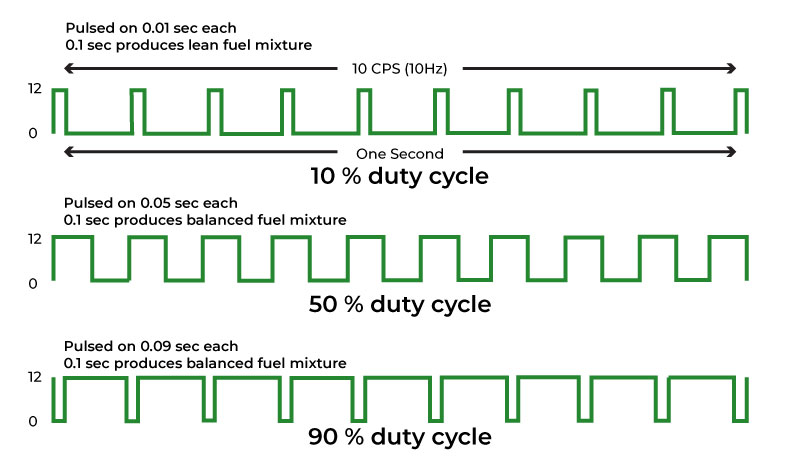
Operating conditions also affect motor performance. Extreme conditions can lead to various failure cases, einschließlich:
| Failure Case | Beschreibung |
| Overheating | Excessive heat degrades winding insulation, weakens permanent magnets, and reduces bearing lubrication quality, leading to performance issues like speed instability and torque drop. |
| Insulation Breakdown | High humidity can cause moisture ingress, leading to insulation failure and potential short circuits, often developing silently over time. |
| Thermal Cycling | Frequent start-stop cycles can weaken permanent magnets, reducing torque capability and efficiency, which may lead to higher current usage and further degradation. |
Size and Weight Constraints
Size and weight limitations significantly influence BLDC motor selection, especially for portable devices. Smaller and lighter motors enhance device efficiency and portability. Correct motor size ensures adequate torque and power without excessive weight, which is crucial for battery-powered applications. Oversizing a motor can lead to increased load, Gewicht, and energy consumption, negatively impacting portability.
Engineers must balance performance with physical constraints to ensure optimal functionality.
Ⅲ Control Interfaces
Types of Controllers
Selecting the right controller is essential for optimizing the performance of BLDC motors. Two primary types of controllers are commonly used:
| Controller Type | Beschreibung | Anwendungen |
| Sensor-Based | Utilizes physical devices like Hall sensors and encoders for rotor position. | Robotics, Automation |
| Sensorlos | Estimates rotor position using back-EMF, no sensors required. | Drohnen, Fans, Low-cost Appliances |
Sensor-based controllers provide precise control by continuously monitoring rotor position. This accuracy is crucial in applications requiring high precision, such as robotics. Umgekehrt, sensorless controllers offer a cost-effective solution for applications where precision is less critical, such as in drones and fans.
Communication Protocols
Communication protocols significantly impact the integration of BLDC motors into smart systems. They facilitate seamless interaction between devices, enhancing overall system performance. Key aspects of communication protocols include:
| Aspekt | Beschreibung |
| Seamless Integration | Promotes interoperability among different devices, reducing integration challenges and costs. |
| Remote Access and Control | Enables monitoring and adjustment of motor parameters from anywhere, enhancing operational efficiency. |
| Precise and Centralized Control | Allows for coordination of multiple motors, simplifying adjustments and enhancing system flexibility. |
| Real-time Monitoring | Facilitates early detection of anomalies, optimizing productivity through predictive maintenance. |
These protocols ensure that BLDC motors can communicate effectively with other components, leading to improved functionality and efficiency in various applications.
Feedback Mechanisms
Feedback mechanisms are vital for achieving precise control in BLDC motors, especially in robotics. Essential feedback components include:
• Hall sensors or encoders are necessary for providing feedback in BLDC motors, which is crucial for achieving precise control.
These mechanisms allow for real-time adjustments, ensuring that the motor operates within desired parameters. Accurate feedback enhances performance and reliability, making it a critical consideration in motor selection.
Ⅳ Environmental Factors
Temperature and Humidity Tolerance
Temperature and humidity tolerance are crucial for the reliable operation of BLDC motors in various environments. These motors can typically withstand a range of temperatures, making them suitable for outdoor installations. The following table summarizes the temperature ranges:
| Condition | Temperature Range |
| High-temperature | up to 60–70°C |
| Low-temperature | functional in sub-zero conditions |
Humidity can also impact motor performance. Motors designed for high humidity environments must have adequate sealing to prevent moisture ingress, which can lead to insulation failure.
IP Ratings and Protection Levels
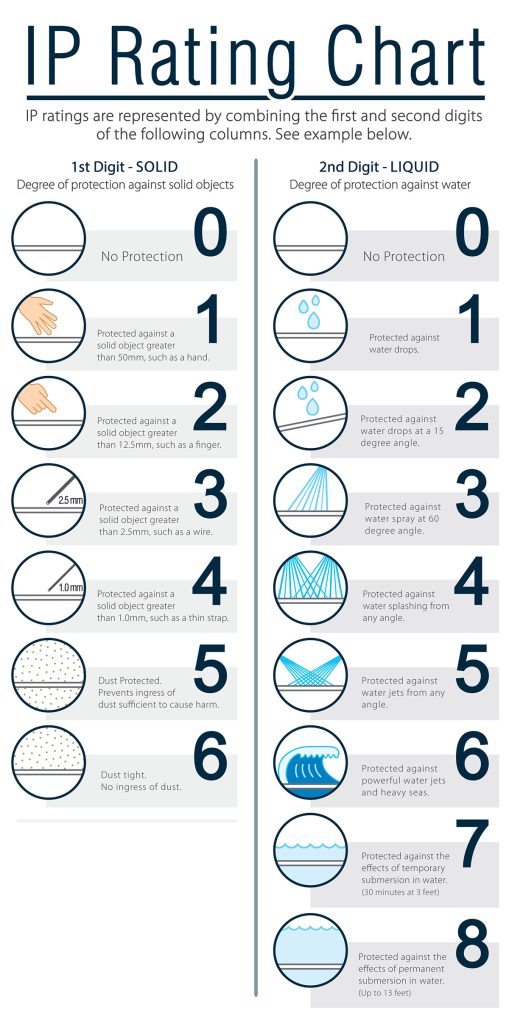
IP ratings classify the degree of protection against solid particles and liquids. The first digit indicates protection against solids, while the second digit indicates protection against liquids. For BLDC motors used in marine environments, the following ratings are recommended:
• IP67: Provides complete protection against dust and immersion in water up to 1 meter for 30 minutes.
• IP65 and IP66: Offer protection against water jets and splashes.
Selecting the appropriate IP rating is essential for ensuring the longevity and reliability of BLDC motors in challenging environments.
Ⅴ Choosing the Right BLDC Motor
Selecting the appropriate BLDC motor requires careful consideration of various factors. Key insights include:
- Minimal Maintenance: BLDC motors reduce costs related to parts and labor, preventing unscheduled downtime.
- Hohe Effizienz: These motors significantly lower energy consumption, contributing to reduced operational costs.
- Reliability: Their robust design ensures consistent performance under variable loads, enhancing operational resilience.
Aligning motor choice with specific application needs is crucial for optimal performance. Engineers should conduct thorough research and consult experts to ensure the best selection for their projects.